

Between a power meter, a heart rate monitor, a bike computer, and a GPS watch, a single ride can generate a lot of numbers, and it is not always obvious which ones matter most. Here are the metrics that matter most for your training, along with coaching tips on how to get the most out of each one.
Power and Heart Rate: Your Two Intensity Signals
Every training model is built on intensity. It is the variable that determines how hard a session is and what adaptation it produces. For cyclists, power and heart rate are the two most accessible ways to measure it. Several advanced metrics use heart rate and power data in their calculations, so getting these right comes first.
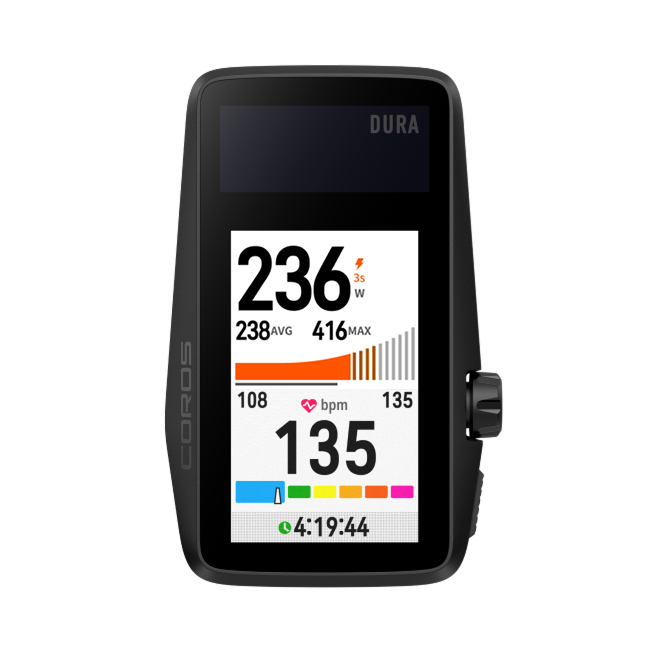
Power tells you how intense your output is, measured in watts, regardless of how your body feels. COROS builds personalized cycling power zones based on your training data, which will adjust as your fitness changes over time. Heart rate, on the other hand, is a measure of internal effort your body is spending to produce that power. It is governed by COROS's six heart rate zones, but unlike power, it shifts based on heat, wind, hydration, and fatigue from previous workouts, not just how hard you are pedaling.
Neither signal replaces the other, and COROS Coaches have broken down when to lean on each one. A cyclist training by power alone can push through a bad day without realizing their body is under more stress than the number on the head unit suggests. A cyclist training by heart rate alone can lose the precision that power provides for structured intervals. The practical approach for most cyclists is to use both together: power sets the target for the workout, and heart rate shows how the body handles it.
Training Load: Effort Simplified
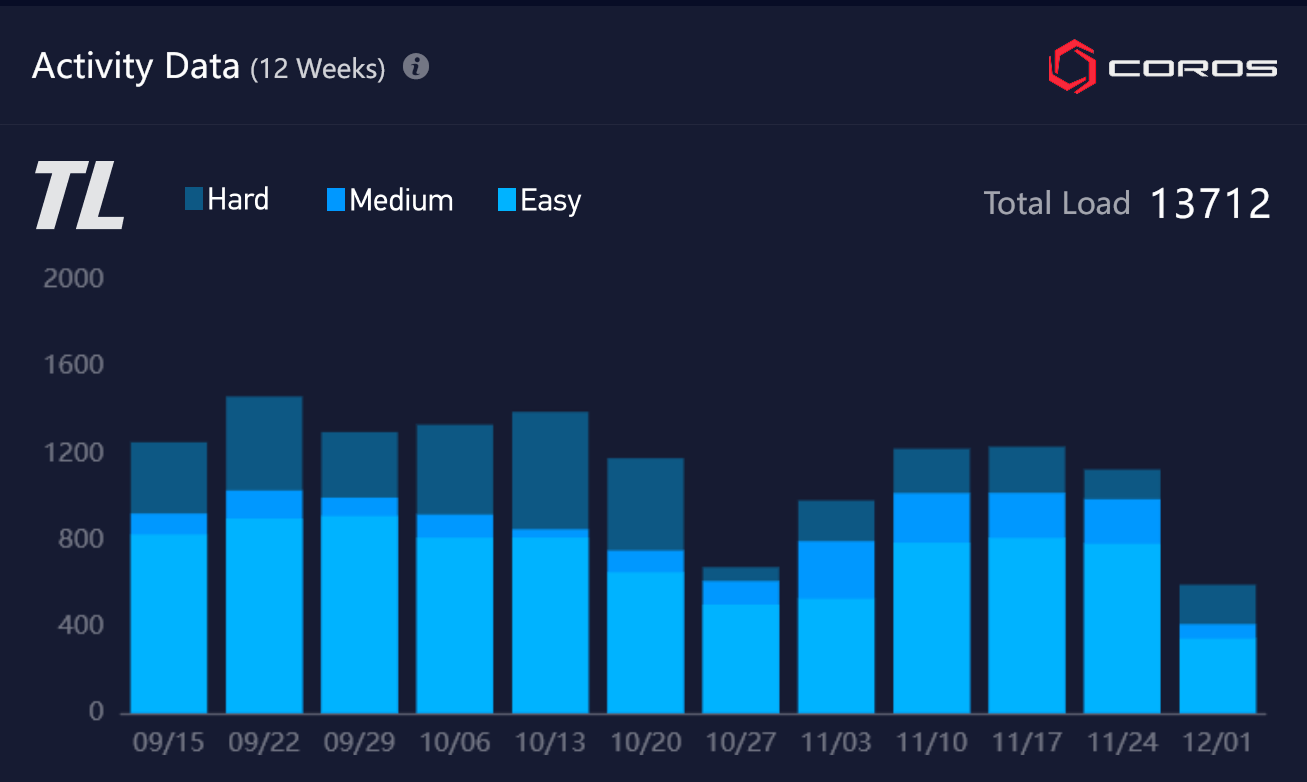
Once heart rate and power data are flowing in, Training Load is what makes that data usable for planning. Training Load takes the volume and intensity of a ride and compresses it into one score, which means a long endurance ride and a VO₂ Max interval session can be compared on the same scale even though they are at different intensities.
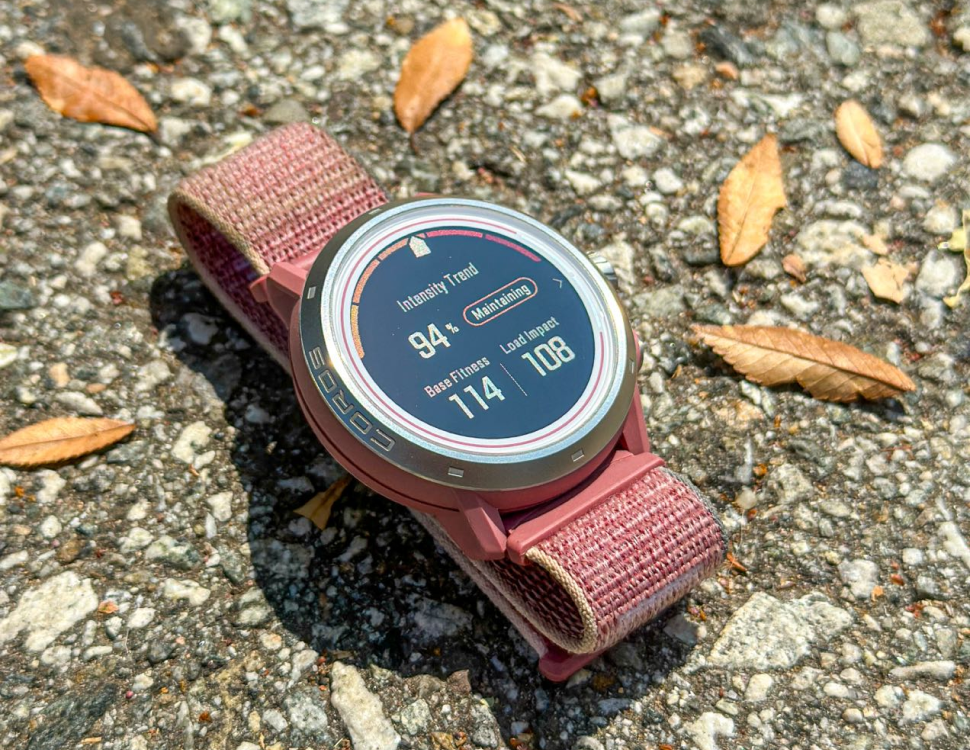
For cyclists, this matters most when you are stacking hard days. A sweet spot session and a set of VO2 max intervals can produce a similar Training Load number despite looking different on paper, and that number is what tells you whether your training is sustainable or whether you are heading into a hole. Base Fitness uses your long-term load to guage how much you can handle, while Load Impact shows the load your body is under on any given day. The relationship between the two is what produces your Training Status, telling you whether you are building fitness, overreaching, or losing ground.
Because all of this is built from measurable inputs (power, heart rate, duration), COROS's Training Hub can also project forward. Scheduling a workout in advance shows a predicted Training Load for that individual session, and stacking a week of planned sessions shows a predicted Training Status before a single pedal stroke happens.
Efficiency: Getting More From the Same Effort
Efficiency is where cyclists can see fitness gains before FTP testing confirms them. The metric looks at the relationship between your heart rate and your power output on a given ride and compares it against your recent history. If your heart rate is lower than expected for the power you are producing, your efficiency is improving. If your heart rate climbs while power stays flat or drops, that is a signal worth looking into. It may come from heat, or wind, but could also signal fatigue or a training block that still needs time to absorb.
This is one of the more underused metrics on the bike, mostly because it takes a few rides to show a trend rather than delivering an answer after a single session. The value comes from watching it across weeks, particularly during a base or build phase, where a slow upward trend in efficiency is one of the clearest signs that aerobic fitness is improving, independent of whether FTP has moved yet.

Sleep and Recovery: The Metrics That Make the Others Work
None of the metrics above mean much if recovery is not happening in the background. Sleep is where the adaptation from training actually occurs, and it is also the input that determines whether the next hard session on the calendar is a good idea.
Two things matter most for cyclists specifically. The first is total sleep duration relative to training load. Heavier weeks increase the body's demand for deep and REM sleep. The second is overnight HRV, one of several recovery metrics that reflect how much stress the nervous system is carrying into the next day. A dip in HRV alongside a string of high Training Load days is a clear signal to treat the next session as a recovery ride rather than push through a planned interval workout.
The most reliable way to use these numbers is trends rather than single-night readings. One rough night of sleep before a big ride is not a reason to scrap a session. A consistent decline in sleep quality or HRV across several days, especially during a hard training block, is.
Putting It Together
None of these metrics work in isolation. Heart rate and power give you the raw signal, Training Load turns that signal into a single number you can plan around, Efficiency tells you whether your fitness is actually improving, and sleep determines whether your body absorbs any of it. Checking all four regularly, rather than fixating on one, is what turns a data-rich sport like cycling into a genuinely data-driven training plan.